Buyer notes / 5 min read
Insulated vs Non-Insulated RF Microneedle Tips: What Buyers Should Confirm
Understand the terminology behind insulated and non-insulated RF microneedle tips before comparing treatment-head options or requesting details.
By MIEING Product & Sourcing Team / Published 2026-09-20
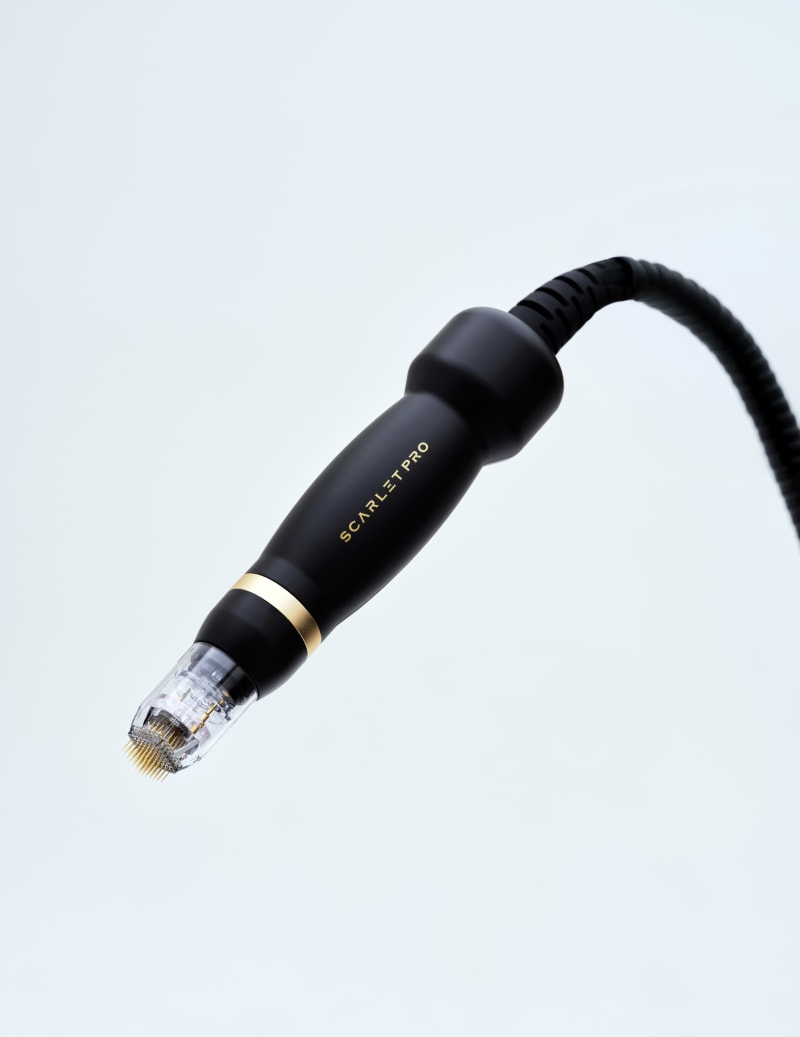
‘Insulated’ and ‘non-insulated’ are useful terms when a clinic or distributor is comparing RF microneedling treatment heads. They are not, by themselves, a complete product specification.
For a buyer, the first question is not which term sounds better. It is which exact treatment head, system and documented configuration are being discussed. A familiar word on a quotation cannot replace the item reference and the equipment context.
What the two terms describe
The terms describe how the electrode or needle is designed in relation to the RF delivery path. A non-insulated needle is not the same construction as an insulated needle, so the wording can signal a meaningful technical difference. Chinese professional guidance and recent studies use the distinction when discussing RF microneedling technology.
That distinction should be kept at the technology level. It does not tell a distributor that one option is universally better, and it does not tell a clinic that a visually similar tip is suitable for its handpiece.
Why a buyer should not compare the label alone
An RF microneedling treatment head is part of a system. The model name, handpiece, connector, needle arrangement, item reference and device version can all matter to an order review. Even when two product descriptions use the same insulation term, they may not represent the same product family or the same equipment interface.
This is particularly important when researching named systems. Manufacturer information for Secret RF, for example, uses public tip terminology that includes different pin formats and insulation descriptions. Those terms help describe the product family; they do not establish that a particular item is available, original, compatible or appropriate for a buyer’s system.
How technical information becomes useful in a purchase request
A useful request starts with the exact system or workstation name and the handpiece involved. Add the item reference if it is visible in the buyer’s own records, then state the quantity and destination. If the reference is not known, say so plainly and contact the MIEING team with the available equipment information.
The purpose is not to make the buyer produce a complicated technical dossier. It is to keep a technology term from being mistaken for a confirmed product identity. MIEING can discuss the requirement with the buyer and confirm which details are still needed for the individual request.
Keep clinical decisions separate from sourcing decisions
The Chinese professional source and the research literature discuss treatment parameters and clinical context. Those questions belong to qualified medical professionals and the relevant device documentation. A sourcing article should not turn a general explanation of insulation into treatment advice, a promised outcome or a recommendation for a patient.
For procurement, the safer sequence is straightforward: identify the system, identify the proposed treatment head, compare the manufacturer’s documented terminology, and ask for clarification where the evidence is incomplete.
A short buyer checklist
- What exact system or workstation is involved?
- Which handpiece or treatment-head family is being discussed?
- Is the insulation description printed in the manufacturer’s documentation or only in a third-party listing?
- Is the pin count, item reference or model wording known?
- What quantity and destination should be reviewed?
If one answer is missing, the request can still start. The missing item should remain an open question rather than being filled in by assumption.
Discuss your requirement
Tell us the system name, handpiece details, treatment-head terminology you have seen, quantity and destination. MIEING will review the information needed for an order-level discussion. A technology term alone does not confirm compatibility, availability, original status or clinical suitability.
Secret RF, Morpheus8, InMode and Cutera are used only to identify product families or public source material. Their trademarks belong to their respective owners. No manufacturer affiliation or authorised-distributor relationship is implied.
Discuss your requirement