Buyer notes / 5 min read
What to confirm before requesting an ONDA PRO handpiece
A practical checklist for professional buyers preparing an ONDA PRO handpiece request, from configuration reference to supply-route review.
By MIEING Product & Sourcing Team / Published 2026-08-12
The system name is not the full requirement
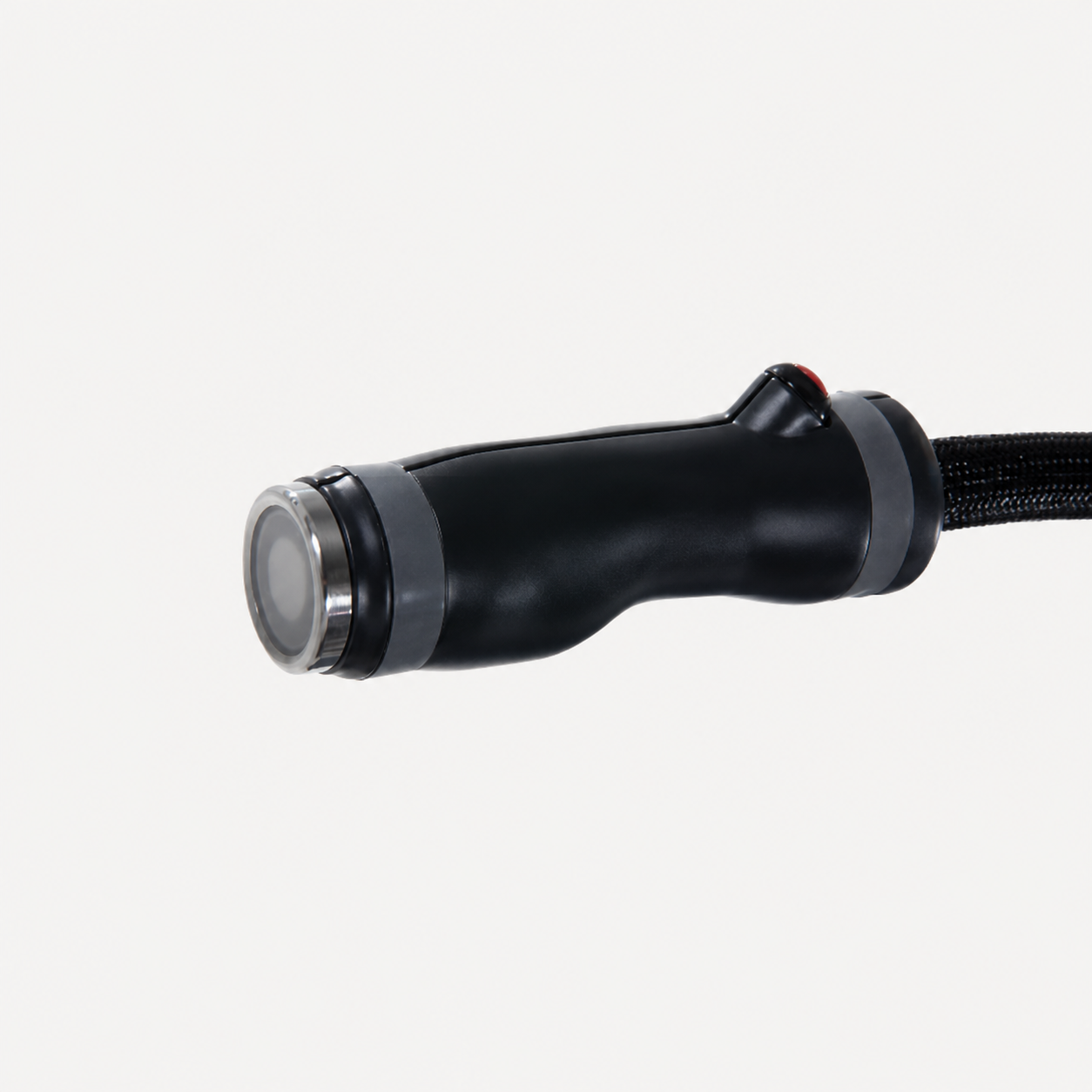
A request for an ONDA PRO handpiece needs more detail than the system name. DEKA's current product information identifies Pocket, Shallow, and Deep handpieces, each presented for a different configuration context. The first job is to identify the handpiece shown on the buyer's own system, rather than assume that one name covers every request.
The product information also describes ONDA PRO as a 2.45 GHz microwave platform. That background can help a buyer identify the product family, but it is not a substitute for checking the specific handpiece, system version, label, and destination-market requirement.
Send the full system and the existing handpiece
Start with a photo of the complete system, then add front, side, and connection-area photos of the existing handpiece. Include any part marking, packaging label, or previous invoice reference that can be shared. A clear image of the cable and connector is especially useful where the request concerns a replacement item.
The buyer should also state the destination country and requested quantity. This separates a basic identification request from a supply or commercial discussion and avoids treating a visual similarity as a confirmed match.
Identify the requested configuration before discussing supply
DEKA presents Pocket, Shallow, and Deep as distinct handpiece references. A buyer should identify which reference is already in use and explain the commercial requirement: evaluation, replacement, repeat purchasing, or a broader configuration enquiry.
MIEING does not treat an application description alone as a compatibility confirmation. The applicable supply route, documentation, exact configuration, and destination-market suitability must be reviewed for the item actually requested.
Keep original, compatible, and custom routes separate
An original-product request, a compatible alternative, and a custom-development request are not the same quotation. Each can involve different references, packaging, documentation, commercial conditions, and review steps.
State the route you want to discuss at the beginning. If the requirement is a repeat or non-standard item, share the reference product and expected demand so the conversation can move from an unclear product name to a defined sourcing or development brief.
Use a sample as a purchasing checkpoint
For a new supply route, a small order can be used to inspect the supplied configuration against the accepted reference. Compare the physical item, connector, markings, packaging, and included documents before placing a repeat order.
That review should remain practical and specific. It does not replace manufacturer instructions, professional training, or the buyer's own local compliance review for the intended use and market.